
TipsFor farmers & shops·September 4, 2026
Seasonal Planning: What to Plant for Peak Demand
A little planning at seed-ordering time pays off all year. Here's how to plant for steady sales instead of feast-or-famine.
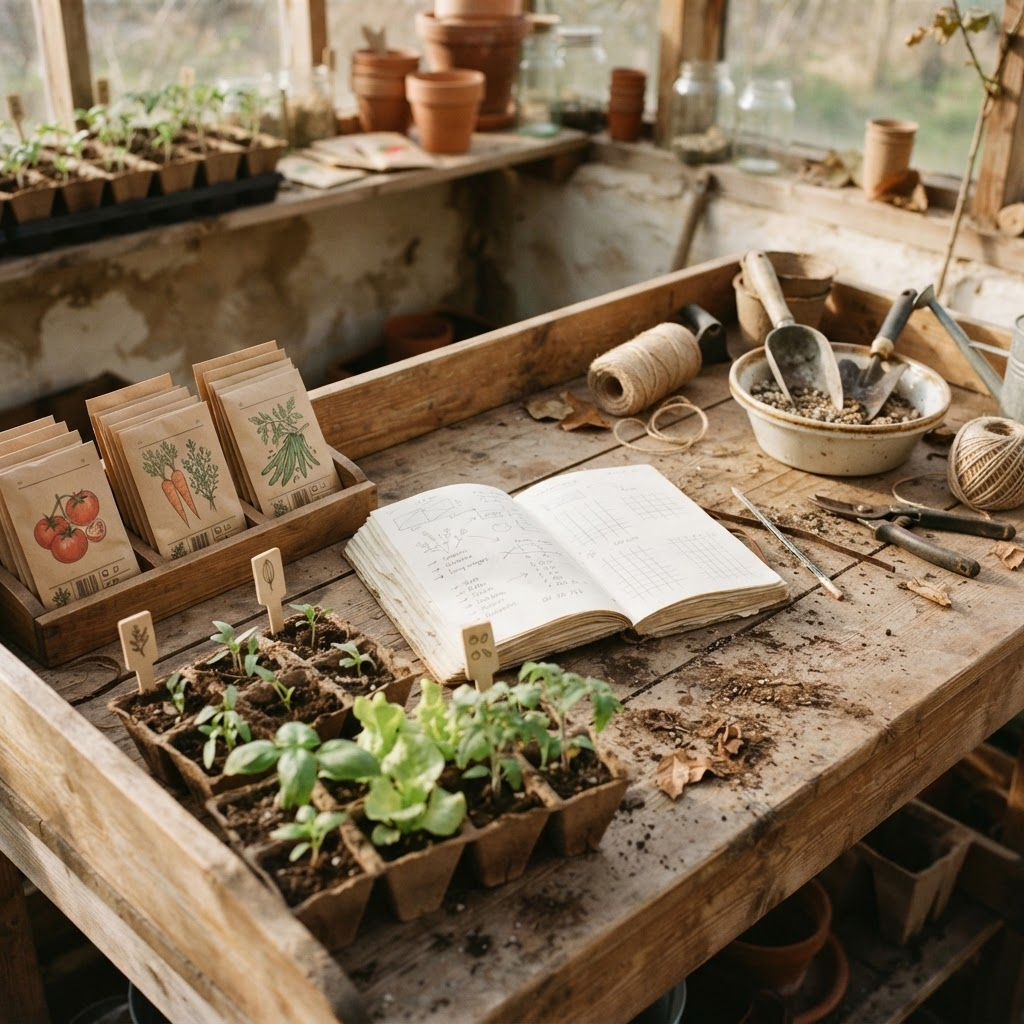
The most profitable growers aren't always the ones with the biggest fields — they're the ones who plan. A thoughtful planting schedule keeps your listings full and your income steady. Here's how to think it through.
Plant for a steady supply, not one big harvest A single massive crop all ripening at once means a glut you can't sell and empty weeks on either side. Succession planting — sowing small amounts every couple of weeks — gives you a continuous supply and a listing that's rarely out of stock.
Know your peak windows Demand isn't flat through the year. Plan around the moments shoppers buy most: - Spring: the first tender greens and herbs sell fast to winter-weary shoppers. - Summer: tomatoes, berries, and sweet corn are peak-demand headliners. - Autumn: squash, apples, and everything for holiday cooking. - Winter: storage crops and hardy greens when little else is available — often less competition, too.
Mix reliable earners with specialties Grow a base of dependable, always-in-demand crops, then add a few high-value specialties — unusual varieties, early or late crops, or hard-to-find herbs — that let you stand out and command a better price.
Write it down before you order seed - Map each crop to the weeks you want it selling, then count backward to sow dates. - Note how much space and labor each crop really needs. - Leave room for a failed sowing or two — nature doesn't read the plan.
An hour with a calendar and your seed catalog is one of the highest-return things you'll do all season.
Share this post
Ready to taste the difference?
Shop fresh from local growers near you — order today, harvested to order.
Shop the market